The Culture of Soup in Chinese Tradition
A Bowl of Soup: A Thousand Years of Comfort for Body and Soul
In the brilliant tapestry of Chinese culinary culture, soup is far more than mere sustenance. It is a philosophy, an expression of care, a form of wellness wisdom that flows through our very veins. From the slow cooking in ancient earthenware pots to the comforting bowl on today’s dining table, soup has nourished the body and soul of generations in its most gentle and profound way.
1. Introduction: The Warmth in a Bowl
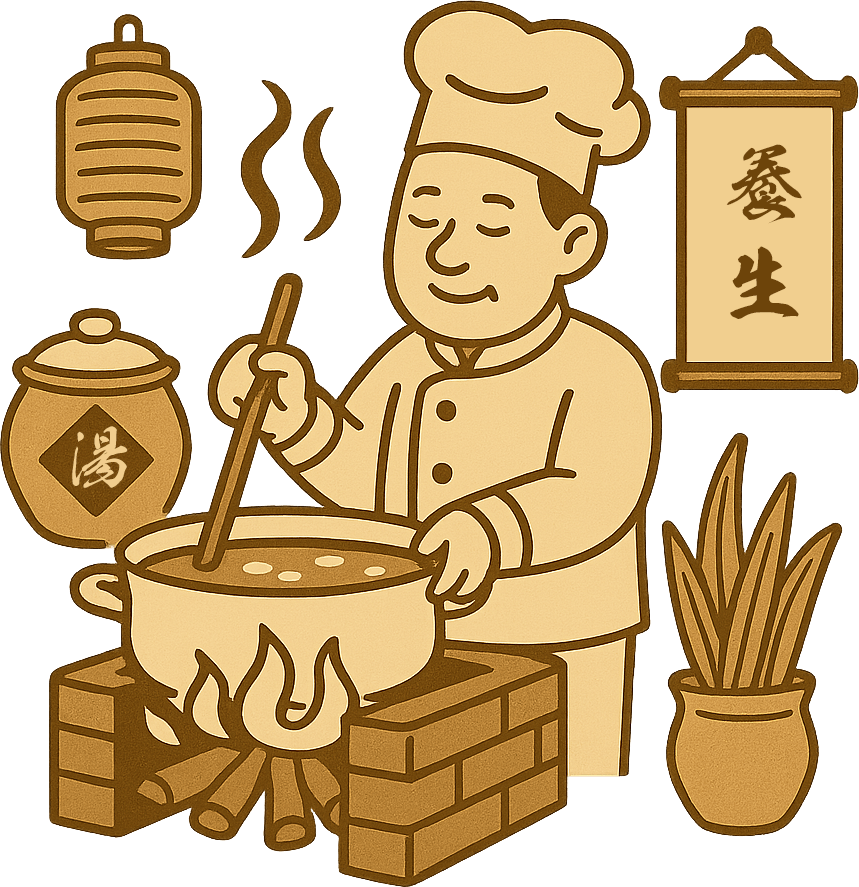
For the Chinese, soup is more than a dish — it is emotion, memory, and continuity.
From a light morning porridge to a simmered noon broth, or an herbal tonic by night,
soup represents the taste of home — a vessel of memory and warmth that lingers long after time passes.
SOUPGOD believes every bowl of soup carries a story.
It may come from a mother’s hands, a healer’s heart, or the wisdom of generations of chefs.
Across millennia, “Soup Culture” has transcended food itself to embody
the Chinese philosophy of balance, nourishment, and compassion.
The Roots of a Tradition: Wisdom from the Classics
The history of soup is nearly as old as Chinese civilization itself. When our ancestors first mastered fire and pottery, they began simmering grains, meats, fruits, and vegetables with water, creating “geng” (羹)—the earliest form of soup. The soul of soup lies in its ability to extract the essence of its ingredients, transforming the tangible into a nourishing elixir. This wisdom was recorded in the classics long ago.
“Of all the origins of flavor, water is the very beginning.” — Lüshi Chunqiu (The Annals of Lü Buwei)
The significance of soup extends beyond taste, deeply embedding the philosophy that “food and medicine share the same origin” (藥食同源, yào shí tóng yuán).
“The five grains provide nourishment, the five fruits lend support, the five meats offer benefits, and the five vegetables grant replenishment. Consume them in harmony to supplement essence and bolster qi.” — Huangdi Neijing (The Yellow Emperor’s Inner Canon)
While not mentioning soup by name, this foundational text of Chinese medicine perfectly captures its spirit. It teaches us to live in accordance with the seasons, combining ingredients of different properties and, through the tempering of “fire and time” (huǒhou, 火候), decocting therapeutic broths that benefit body and mind. We dispel dampness in spring, cool down in summer, moisten dryness in autumn, and warm the body in winter—every seasonal soup is a practice of living in harmony with the laws of nature. From the medicinal formulas in Zhang Zhongjing’s Han Dynasty text, Treatise on Cold Damage and Miscellaneous Illnesses, to the diverse broths in Yuan Mei’s Qing Dynasty culinary masterpiece, Recipes from the Garden of Contentment, soup has remained the quintessential Chinese path to healing and longevity.
2. The Origin of Soup: From Medicine to Comfort
In China, the history of soup can be traced back over five thousand years.
Archaeological sites from the Neolithic era reveal pottery cauldrons, stone tripods,
and even traces of bone broth — proof that early people viewed soup as both food and remedy.
Ancient texts such as Zhou Li recorded that “meals were served with soup and noodles,”
showing that soup already held a formal place in noble banquets.
In The Yellow Emperor’s Classic of Medicine, the principle of
“grains for nourishment, fruits for assistance, livestock for benefit, and vegetables for completion”
recognizes soup as a medium that harmonizes the five flavors and the five organs.
The creation of soup — the union of fire and water — marked a turning point in civilization,
symbolizing humanity’s mastery of warmth, care, and transformation.
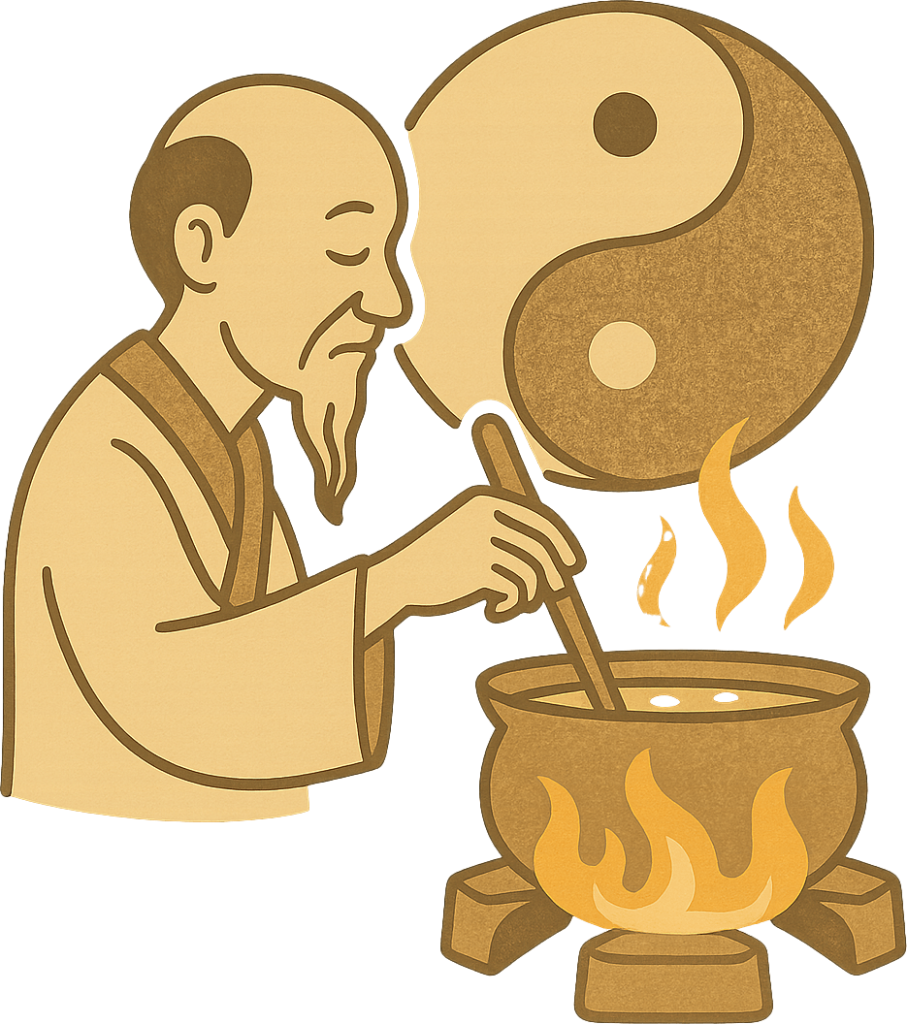
“Soup is the yin within yang — harmony between opposites made edible.”
Soup, as the mingling of yin and yang, represents wisdom in balance and integration.
An Infusion of Love: The Warmth of Home
If the classics gave soup its wisdom, it is the family that gives soup its warmth. Sayings like “Start a meal with a bowl of soup” and “Better a meal without meat than a meal without soup” reflect not just ingrained dietary habits, but the unspoken love between family members.
A slowly simmered soup represents a mother’s hours of patient watchfulness by the stove, a tangible infusion of her care and affection into the broth. Its rising steam is the warmest memory of home for those far away; its rich, mellow aroma is the most cherished scent of the family table. Soup has long transcended food itself to become a vital bond that connects hearts and conveys warmth.
3. The Cultural Symbolism of Soup: From Homes to Palaces
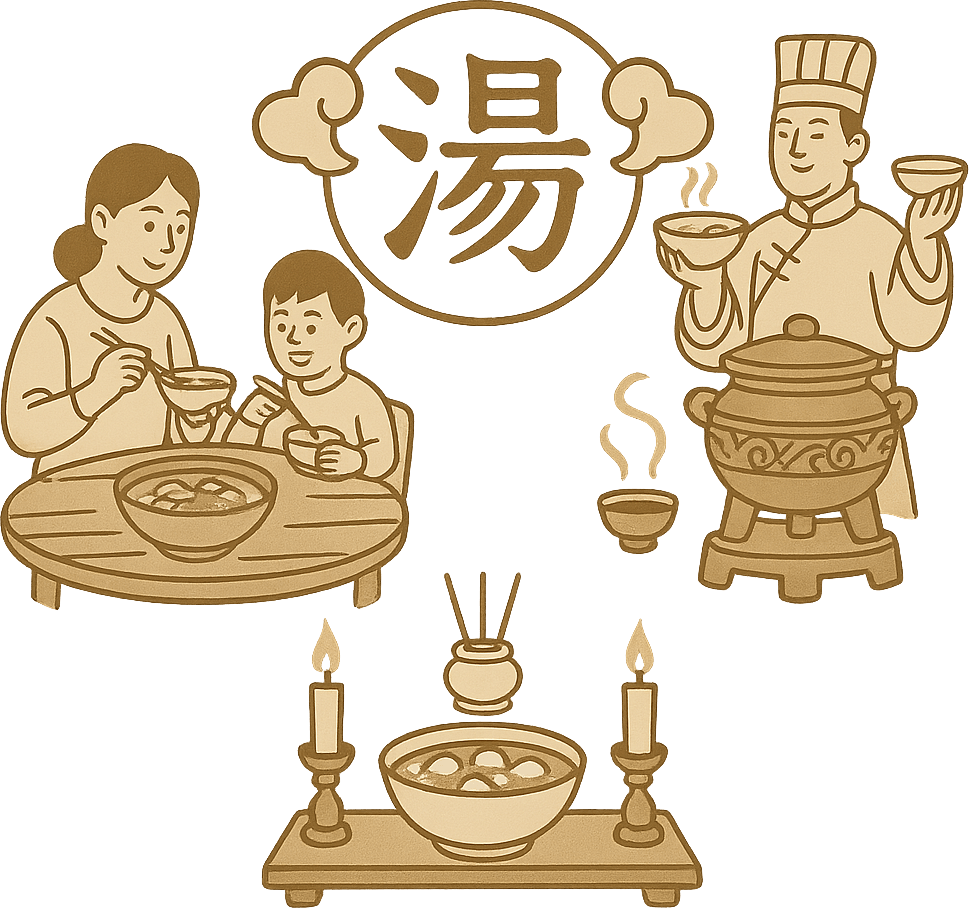
In Chinese life, soup permeates every layer of culture:
In the home: The custom of drinking soup before meals aids digestion and balances the body.
In the imperial court: Royal kitchens of the Qing Dynasty featured “Eight-Treasure Soup” and “Deer Antler Chicken Soup” as nourishing elixirs.
Among the people: Soup symbolizes celebration and blessing — rice dumpling soup at winter solstice for reunion, and Laba porridge for gratitude and harvest.
Ancient idioms also borrowed “soup” to express life’s philosophy:
“Harmony as soup” — to treat others with balance.
“Testing the soup with a stone” — to probe and explore.
“Water deep, fire hot” — describing the intensity of life’s trials.
Thus, soup is not just food; it is language — a living symbol of Chinese wisdom.
A Modern Inheritance: Warmth Across Time and SpaceA Modern Inheritance: Warmth Across Time and Space
We understand that in the fast pace of modern life, simmering a pot of traditional soup from scratch has become a luxury. The pressures of time and the complexity of the process have made this nourishing tradition seem out of reach for many.
Yet, the innate human craving for gentle nourishment has never faded with the changing times. It is for this reason that we have dedicated ourselves to being the modern inheritors of this thousand-year-old culture, using wisdom and technology to deliver its timeless warmth to you.
Soup and Wellness: The Energy of the Five Elements & the Harmony of Seven Colors
Chinese wellness philosophy values “food as the first medicine,”
and among all forms of nourishment, soup is the gentlest and most balanced.
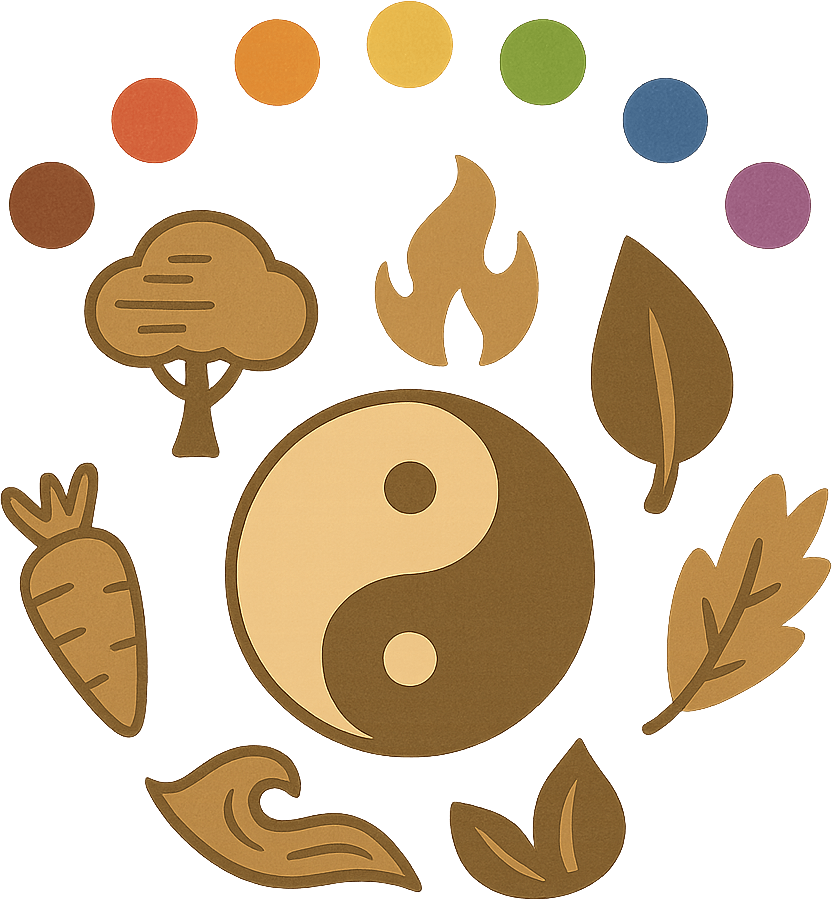
The art of soup lies in harmonizing yin and yang, guided by the Five Elements.
| Element | Season | Function | Typical Soups |
|---|---|---|---|
| Wood (Green) | Spring | Soothes the liver, relieves stress, revitalizes qi | Goji & Chrysanthemum Soup, Lotus Root & Pork Rib Soup |
| Fire (Red) | Summer | Nourishes the heart, replenishes energy, calms the spirit | Red Date & Longan Soup, Ginseng Chicken Soup |
| Earth (Yellow) | Late Summer | Strengthens the spleen, dispels dampness | Yam & Poria Soup, Job’s Tears & Lotus Seed Soup |
| Metal (White) | Autumn | Moistens the lungs, clears dryness | Snow Pear & Lily Soup, Silver Ear & Lotus Seed Soup |
| Water (Black) | Winter | Tonifies the kidneys, restores vitality | Angelica & Mutton Soup, Eucommia Pork Rib Soup |
Building upon this ancient wisdom, SOUPGOD integrates the Five Elements with the spectrum of Seven Colors to form a modern energy soup system:
Red for vitality, orange for warmth, yellow for balance, green for clarity, blue for calm, indigo for restoration, and purple for serenity.
It is not merely color theory — it is emotional nourishment for modern life.

【Freshly Brewed Soups】
We honor ancient methods by selecting the finest seasonal ingredients and simmering them over a low flame for hours. The result is a premium, fresh soup delivered to you the day it’s made. This is more than a bowl of soup; it is our tribute to traditional craftsmanship, allowing you to instantly savor the authentic, homemade flavor and comfort you deserve, even on your busiest days.
【Ready-to-Eat Soup Pouches】
We have concentrated hours of heartfelt simmering into one convenient pouch. Using modern food science, we perfectly lock in the nutrition and exquisite flavor of our soups. No long waits are necessary. With just simple heating, a nourishing bowl of soup is ready to warm you, whether it’s for lunch at the office or as a comforting end to a long day.
【Herbal Soup Kits】
We provide you with perfectly portioned, classic soup recipes curated by TCM practitioners and nutritionists. From premium sea conch and fish maw to seasonal herbs, all you need to do is add the kit to a pot with your choice of fresh meat. You can effortlessly become a wellness chef in your own kitchen, creating a pot of healthy, love-filled soup for your family and experiencing the joy of cooking.
From the philosophy of “original taste” in the Lüshi Chunqiu to the wellness wisdom of the Huangdi Neijing and the gentle warmth flowing across every family’s table, soup is the nurturing current in the bloodstream of Chinese culture.
Times may change and forms may evolve, but the pursuit of nourishment, health, and love remains eternal. Allow us to present you with this bowl of soup—a vessel carrying not only millennia of cultural heritage, but also our sincerest wish to safeguard your well-being and deliver warmth to your soul.
5. The Modern Meaning of Soup: Healing from Kitchen to Soul
In today’s fast-paced world, digital connection often replaces human connection.
Yet a bowl of soup still preserves the primal warmth of care.
On a winter evening in the Bay Area,
as a pot gently simmers and fragrance fills the air,
that quiet comfort — that stillness — is a kind of healing no technology can replicate.
SOUPGOD reinterprets the ancient culture of soup:
No longer confined to kitchens, but elevated into a ritual of living and a language of emotion.
“To cook soup is a dialogue with time;
to drink soup is reconciliation between body and soul.”
The Cultural Mission of SOUPGOD: Sharing the Soul of Soup with the World
Guided by the spirit of “A Bowl with Soul,”
SOUPGOD revives the roots of Chinese soup culture — and shares its warmth globally.
From San Francisco to Tokyo, London to Hong Kong,
we hope that every person who lifts a bowl of soup feels the same peace and kindness.
Soup is harmony.
It transcends class and distance —
one bowl, one smile, one act of care.
This is the soul of soup culture.
Epilogue: The Zen of Soup
The way of soup is balance.
Its taste lies in time.
Its beauty lies in the heart.
SOUPGOD continues the thousand-year legacy of soup culture —
combining modern design, natural herbs, and artisan craftsmanship
to make this “soup with soul” a universal language.
May the world become gentler — one bowl of soup at a time.
 English
  香港中文
香港中文  简体中文
简体中文